
Manage Up: Have as much contact and visibility with your boss and boss’s boss as possible. Make interactions mostly business and put in some casual conversation. (It can be very lonely and isolating at the top.) Do what I call casual encounters — except you plan them. [Read more…]
 I stumbled upon a
  In challenging times, it is not hard to imagine many peoples’ stress levels being high, some extremely high. Everyone is talking about it. The media is relentlessly analyzing it and there are times you are probably having a conversation with yourself that goes something like this, “I really need to get a grip on my stress.” You are not alone.
  Challenging times provide another lens to look at the many aspects of our lives — the people, the places, our values, our fears.
 We know all the phrases, “look for the silver lining,” “there are opportunities in a crisis,” and “leaders are born in wars.” There is truth to all of these, maybe even some motivation and solace.
 In past issues of the Competitive Edge Report, I discussed many aspects of leadership:
  Times of crisis and significant stress can bring great clarity to our lives. What is important at home and in work becomes obvious because demands are immediate and sometimes life changing.
 A behavior common among very successful people is setting high standards for others and especially themselves. Whether the actions are going to be seen by their boss, family, colleagues or done strictly in private, it doesn’t seem to matter. High achievers place the bar at the top rung for almost everyone, anything, and everything.
 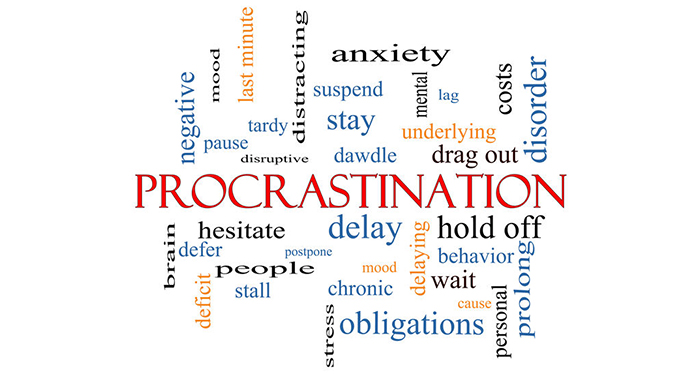 Procrastination comes from the Latin — to put off until tomorrow. We all do it sometimes, occasionally for good reason. Some of us, or our employees, do it often, causing frustration and disruption to everyone.
 Problems at more senior levels of management are rarely because individuals lack intelligence, skills, experience or confidence. A problem boss is almost always about behavior — poor behavior.