 Problems at more senior levels of management are rarely because individuals lack intelligence, skills, experience or confidence. A problem boss is almost always about behavior — poor behavior.
Sure, the guy is smart, but his default motivator is yelling. She’s knowledgeable but takes credit for everything. You either know, work with, or watch, these so-called “leaders.” So, have I! [Read more…]

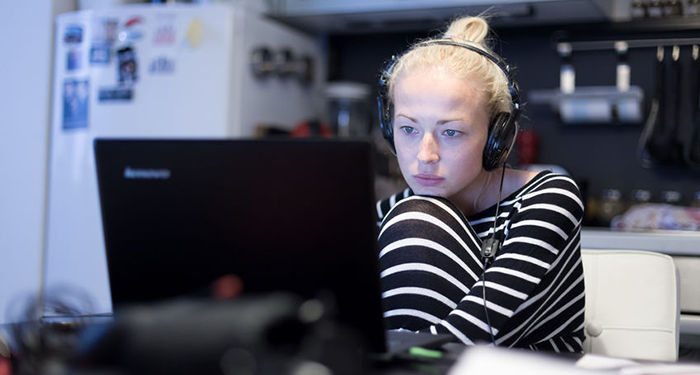
 Our current office environment encourages silence. Look at the layout of an open office space. Initially conceived to facilitate interaction has resulted in making people more self-conscious about speaking. A greater number of us are working remotely, rarely having face-to-face contact with anyone. The vast array of headphones available are used more at work than in any other location. No wonder no one has the opportunity for office small talk. That’s a problem for you, your colleagues, and the company culture.
  Here are promises I made to myself and/or encouraged my executive coach clients to consider for their 2020 actions and attitudes.
  In Part One of this “Skills for Creating a Collaborative Team” series we discussed some of the tools and behaviors seen in effective and collaborative team groups. This is based on the research performed by Francesca Gino, a professor at the Harvard Business School. In her article in the Harvard Business Review “
 Collaboration often ranks last or at least close to the bottom for many people’s way of dealing with conflict and getting things done. When trying to build a collaborative team environment, collaboration should be the top priority.
 Since the industrial revolution, when many people left the family farm or emigrated from a foreign rural countryside to urban environs, people worked in groups. These consisted of others, like themselves, they saw every day for years. The iconic photo of steel workers enjoying lunch together while sitting on a steel beam high above the streets of New York first tests our fear of heights and then rests with the comradery of people who rely on one another for safety and companionship. They are work buddies, no sign of loneliness.
 I’ve been thinking about leadership. It’s the lack of leadership that has occupied most of my thoughts while working with executive coaching clients. These smart, ambitious people are frustrated with the absence of brave leaders, leaders with vision, leaders who can confront a dysfunctional system, leaders with big ideas, leaders with emotional intelligence as well as high IQ, who can motivate others to higher levels. Clients long for their bosses to be influential, mission-driven, able to take the heat, and share their successes. They don’t need management — they want leadership.